There is a specific kind of quiet you only find in the Navy brig. Solitary confinement isn’t just a physical room; it’s a mirror. It forces you to sit in a concrete box with the one thing you can never, ever escape: your own mind. If your mind is a heavy, calculating place, solitary is hell. I thought about that cell today, walking through the humid, chaotic streets of Da Nang with my dirty laundry, watching a world that seems completely unbothered by the weight of its own existence.
I was watching the locals—the kids running out in the open, the adults laughing at jokes so simple they’d be laughed out of a room back in the States, the sheer, unadulterated absence of modern panic. They share spaces without sizing each other up. They don’t look at each other with the hyper-sexualized, predatory calculus that has infected every square inch of the West. There is a purity to them.
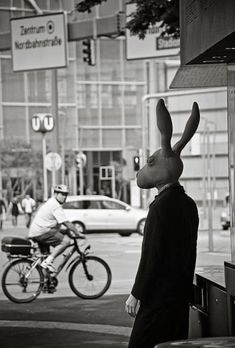
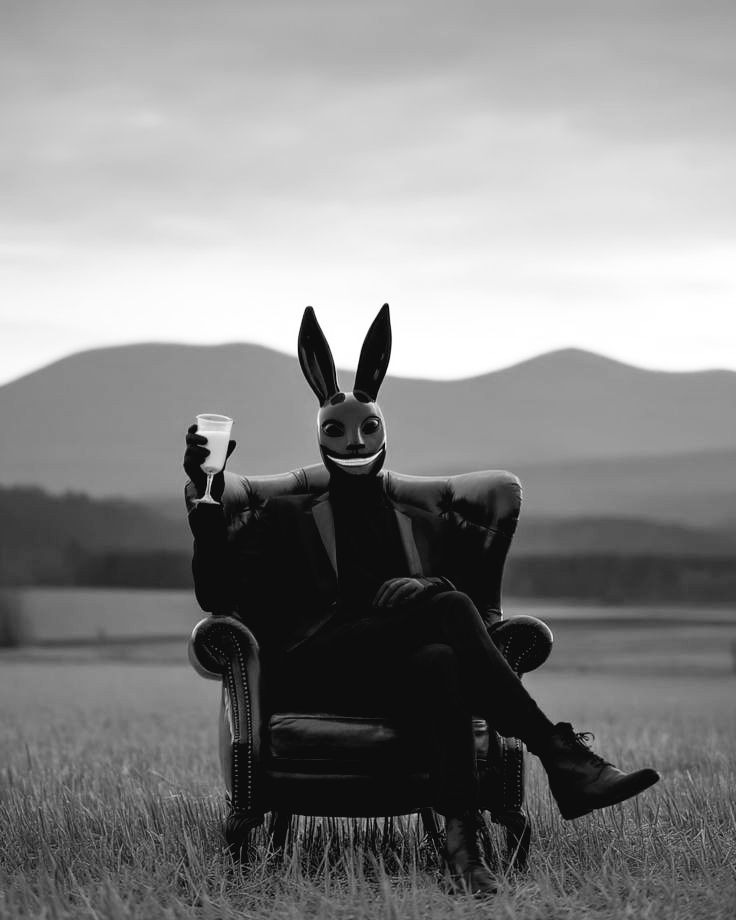
It brought me back to my brief dabbling in Mormonism, and the oldest story in the book: The Tree of Knowledge. Before the apple, there was the Garden. Innocence is just ignorance dressed up in a Sunday suit. It’s the absence of the dark data. When you are raising kids, you break your back to keep them in that Garden for as long as possible. You build the walls high with Santa Claus, the Easter Bunny, and the Tooth Fairy. You do it because you know that once they take a bite of the real world—the global economics, the nuclear threats, the cold, hard meat-market of human interaction—the Garden burns down.
Once you take a bite of that apple, you are entirely, permanently screwed.
Look at the American condition today. It is nothing but a society choking to death on the apple. We are drowning in awareness. You can’t just be a guy sitting on a park bench anymore; the culture has decided you are a child molester until you prove otherwise. The modern American mind is a paranoid radar dish, constantly pinging for threats, analyzing power dynamics, absorbing the mass media sludge, and waiting for the sky to fall. We bought the paparazzi scam of the American Dream, and it made us all miserable, hyper-vigilant, and utterly exhausted. We lost the ability to just exist.
Then I look at the people here in Vietnam. They haven’t eaten the apple. Or if they have, it was a different strain entirely. I watch them experience a live band or a crowded bar with a kind of primitive, electric joy that I haven’t felt in decades. I’ve seen it a hundred times, analyzed the chord progressions, assessed the crowd, and calculated the bar’s profit margins before the first song is over. My DNA is constructed to dissect the room; theirs is constructed to just be in it.
It begs the ultimate, ugly question. If you could trade it all in—the intellect, the sharp edges, the bitter truths—for that absolute peace of mind, would you do it?
If you could flip a switch and chemically induce the blissful oblivion of a child, would you take the deal? I look at the people smiling on the street, and a dark part of me wonders what it would be like to have a sprinkle of that r*****ed innocence, a touch of that Down syndrome simplicity where nothing bothers you and the crushing weight of the world just glides right off your back. Would I trade fifty-seven years of hard-won, miserable knowledge to spend the rest of my time on this rock with a goofy, unburdened smile on my face?
The romantic in me wants to say yes. But the realist—the part of me that survived the brig, navigated the corporate slaughterhouse, and sees the world for exactly what it is—knows that’s a coward’s fantasy.
You can’t un-eat the apple.
I catch myself romanticizing a lobotomy, mistaking their lack of American neurosis for some kind of divine bliss. But ignorance isn’t bliss; ignorance is just waiting for the piano to drop on your head. You ask yourself if a man is better off knowing he has four weeks to live, or dying by surprise in his sleep. Give me the man who knows. The man who knows can get his affairs in order, settle his debts, and drink the good whiskey.
I took the bite of the apple a long time ago. I spent time in the brig, I built the structures, I played the game, and I figured out the scam of the modern world. I can’t spit the apple back out. I can’t unsee the matrix. This envy of the innocent is just the newest flavor of my own misery. Staring at the Tree of Knowledge and whining about the stomachache doesn’t change the fact that I possess the dark data. I know how the machine works.
That knowledge is heavy, but it’s the only armor I have left. The people smiling on the street are enjoying the weather; I know when the hurricane is coming. It’s time to stop resenting them for playing in the sun, and stop resenting myself for building the shelter. I am a predator in the Garden, carrying my laundry through a world that doesn’t understand the rules I operate by. It’s a lonely place to be, but it’s the truth. And the truth is the only thing worth drinking to.