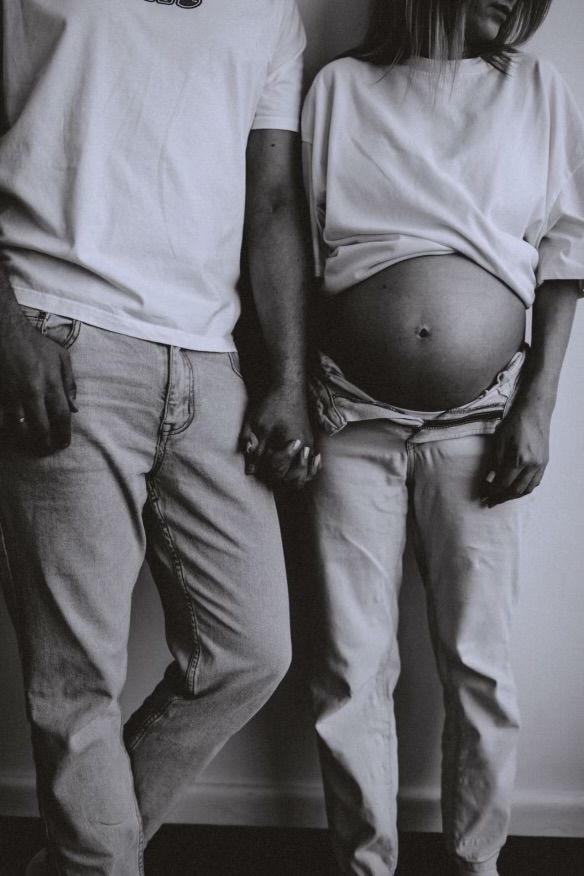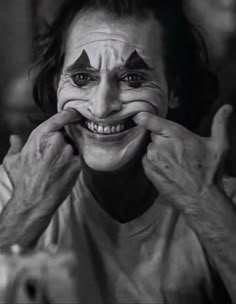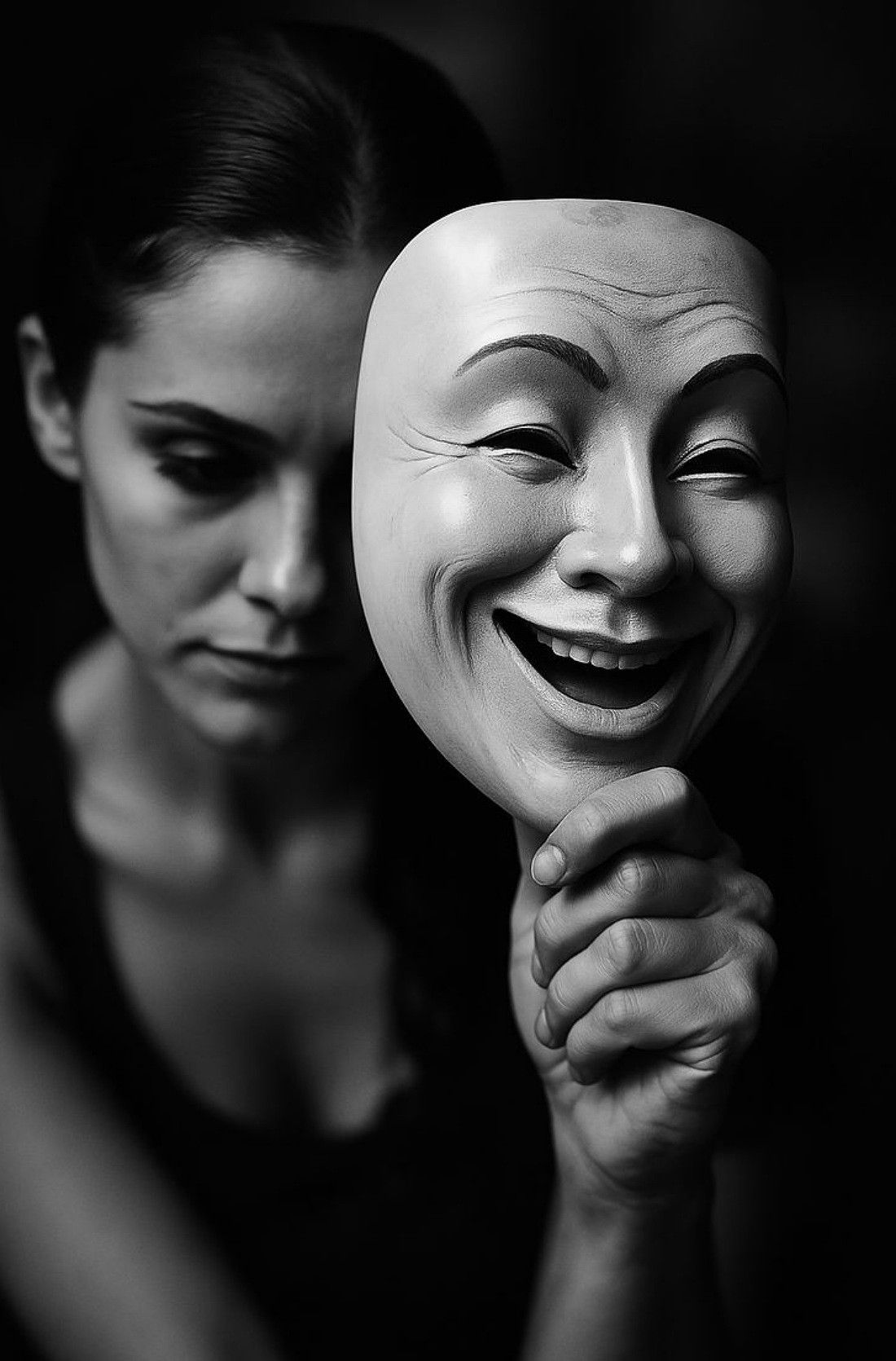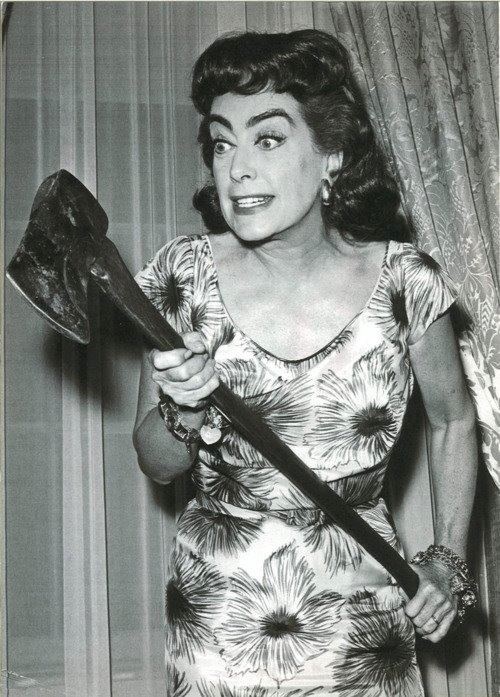
You want the truth? She wasn’t built for Mother’s Day.
No soft-focus memories, no scent of cookies in the kitchen.
More like cigarettes and peroxide and a voice that could cut drywall.
Big up top, sure.
Never breastfed me. Probably didn’t want to ruin the shape.
There was always something sharp about her.
Not the good sharp.
More like broken-glass-in-a-paper-bag sharp.
You could touch it—but you’d pay.
She looked like the kind of woman who’d dare you to say something.
Brown hair, tired eyes.
Mexican roots that didn’t show in the way she lived.
Not white, not brown—just somewhere in the smoggy middle.
Not pretty enough to be forgiven,
Not ugly enough to be ignored.
She had a sister, of course.
Every villain does.
The polished one. The churchgoer.
The one with the clean kids and the working husband
and a smug smile that said,
“Look what you could’ve been.”
My mother spent her life chasing that.
Not love. Not peace.
But image.
Capitalist airbrushed happiness.
A house in Moreno Valley, a man with a job,
something shiny to hold up and scream,
“See? I made it too!”
But the sister never let her forget.
Never missed a chance to rub her face in her own failure.
Sunday school on one side of the family—
hellfire and hard liquor on the other.
And Grandma?
Don’t get me started.
She stirred that pot like a witch with nothing better to do.
Say a few words. Step back. Watch the fireworks.
She didn’t love either of them.
Just pitied them in her own twisted way.
So my mother—
She became what she had to.
Street smart.
Loud.
Dangerous.
She was the kind of woman who could get your money back
from a corporate machine
or destroy your marriage with a phone call.
If she loved you, you got protection—
but it came wrapped in debt.
Emotional credit cards with 99% interest.
“Remember when I did this for you?”
“Don’t make me tell James what you did.”
She was the kind of woman who helped you out of the gutter
then shoved you back in the next week.
Kindness with strings.
And the strings were barbed wire.
I didn’t escape that.
I just learned to live around it.
There were moments—small ones—
when I wanted to believe she was human.
A glimpse through the cracks.
A story about her childhood.
A flash of sadness she didn’t mean to show.
But they passed quick.
Like a dog twitching in its sleep,
dreaming of running but stuck in place.
The last time I saw her was through a car window.
My ex made me go, knowing full well what it would cost me.
My mother walked up,
eyes already wet,
face weathered like a roadmap to nowhere.
She looked at my kids like strangers she’d seen in dreams.
Didn’t reach out.
Didn’t speak.
Just stared, as if she could rewind time with her eyes.
I didn’t say much.
Asked about my grandmother.
Got my answer.
Drove away.
That was it.
Closure wrapped in frost.
A goodbye without the dignity.
Last I heard, she was in a trailer park somewhere,
dodging taxes, working collections under the table,
still scraping pennies and pretending they were pearls.
And me?
I don’t carry hate in my pocket.
But I don’t send postcards either.
When she dies, something will shift.
A pressure will lift.
Like a storm leaving.
Like a curse running out of breath.
People say a man is only truly loved by one woman—his mother.
But that’s just Hallmark bullshit.
Some mothers birth you into survival,
not love.
So here’s to the ones who lived through it.
Who clawed their way out and built something real
from the scraps and smoke.
You don’t need a bouquet or a brunch menu
to honor your story.
You just need the truth.
And the guts to write it.