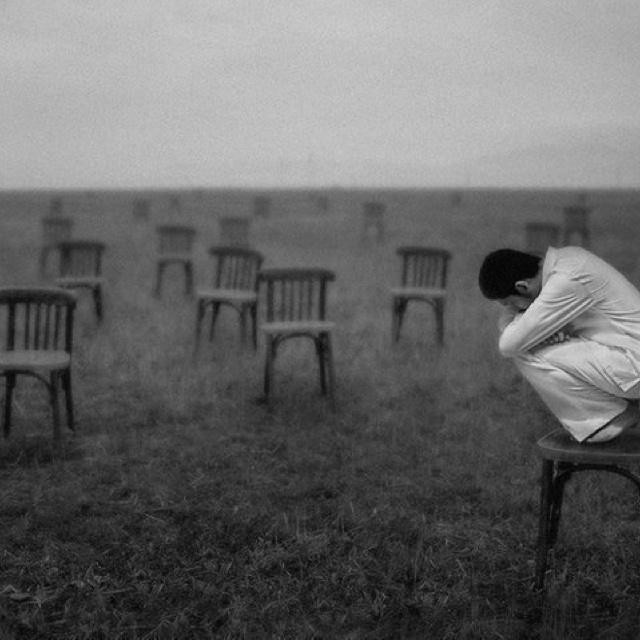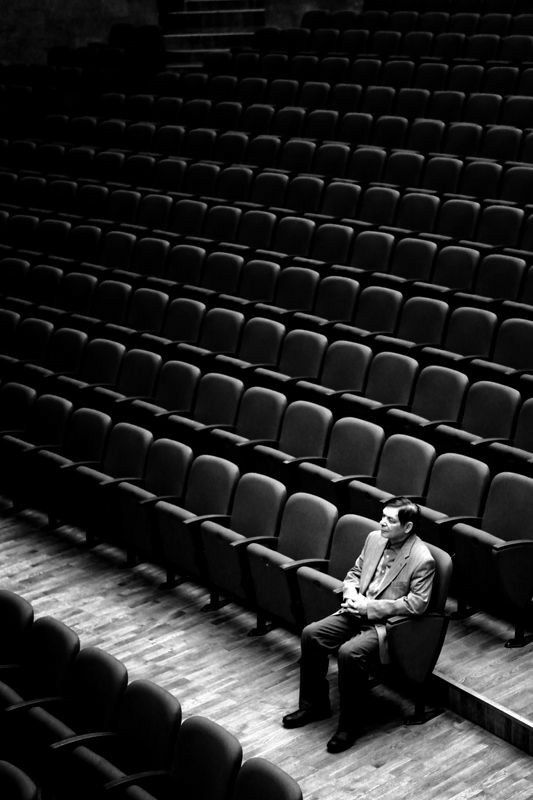
There’s a song that’s been rattling around the empty hallways of my skull lately. Neil Young. “Old man, look at my life, I’m a lot like you were.” When I was twenty, those lyrics were just poetry. Now that I’m fifty-seven, staring at a hotel room wall in Da Nang, they’re a diagnostic report. The words scatter in my head like buckshot, creating a pressure in my chest that feels like a slow-motion cardiac arrest.
It’s the same anxiety that hits when I drop my kids at the airport. You stand there at the terminal, watching the blood of your blood walk through a security gate, and you realize you didn’t say enough. You didn’t hold them long enough. You spent so much time being the “Senior Master,” the “Primary,” and the “Architect,” that you forgot to just be the father. In that moment, the isolation isn’t a tactical choice anymore; it’s a sentence. Loneliness doesn’t creep in; it breaks the door down.
I use women as social icing. I use them for entertainment, for the deviant deconstruction of the body, for the “Wife Tax” distractions that keep the silence at bay. But out here, in this country, the icing is thin. They don’t speak the language. The other expats are a collection of European ghosts and Russian ex-cons—men seeking isolation because they’ve been banned from their children, gutted by brutal divorces, or abandoned by their own history. We are a colony of the broken, guarded twenty-four hours a day by a local population that views us as a gold mine to be harvested.
“I need someone to love me the whole day through.”
That line hits the bone. Because even as I document the “Yoga Girl” and the “Discount Lot,” even as I perform the “Cold Kill” and the ghosting, there’s that shivering human element that wants to be seen. Not as a bank, not as a foreigner, not as a “flounder”—but as the man who used to own the high-tech firm, the man who meditated the ego into a corner, the man who is still inside this thinning hair and liver-spotted skin.
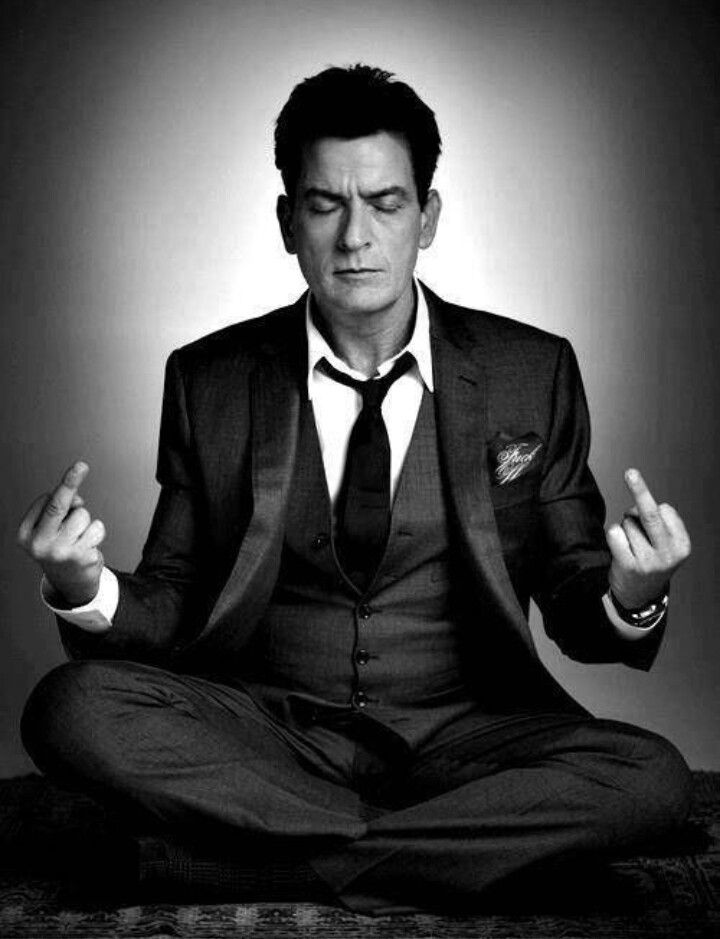
But the “Primary” doesn’t dwell in the manure of self-pity. The anxiety is just the engine revving before the shift. I sit here feeling “What the fuck am I doing?”—and then I pick up the pen. I look at the Chimp Monk on my arm, the one giving the world the finger and the peace sign at the same time, and I remember the MO. I am the architect of my own reality.
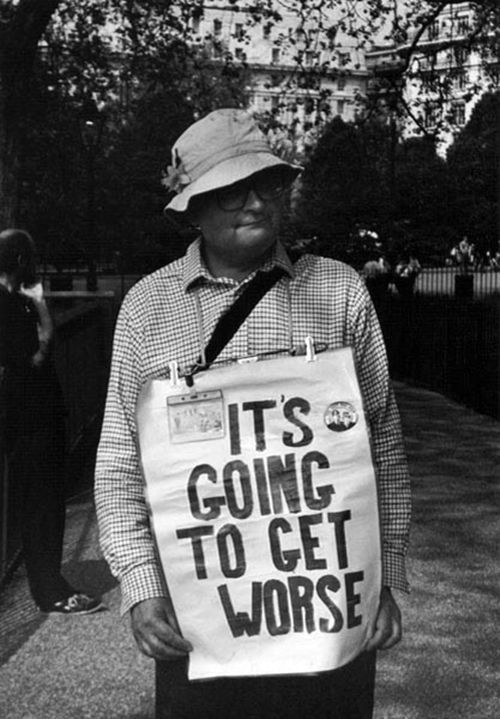
If the “Old Man” in the song was looking for a version of himself, I’ve found mine in the mirror. He’s gritty, he’s tired, and he’s pissed blood for a week, but he’s still holding the deck. We aren’t changing; we’re choosing. And tonight, I’m choosing to plan the next trip. April is coming. Bangkok is coming. The Hyatt, the trios, the “Sinister Plan”—it’s all part of the industrial output of a man who refuses to be “Managed” by his own loneliness.
We make life a little easier by acknowledging the darkness, then walking right through it. The airport gate is closed, the kids are in the air, and the whiskey is cold. The song is over. Now, we build the next outpost.