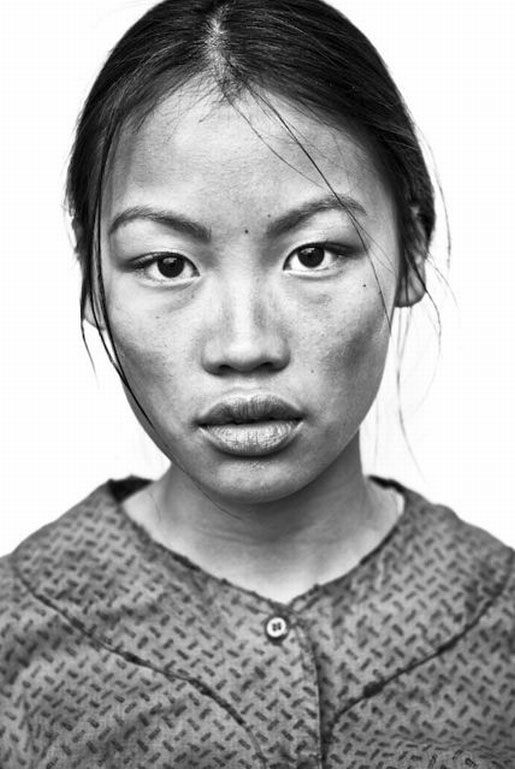
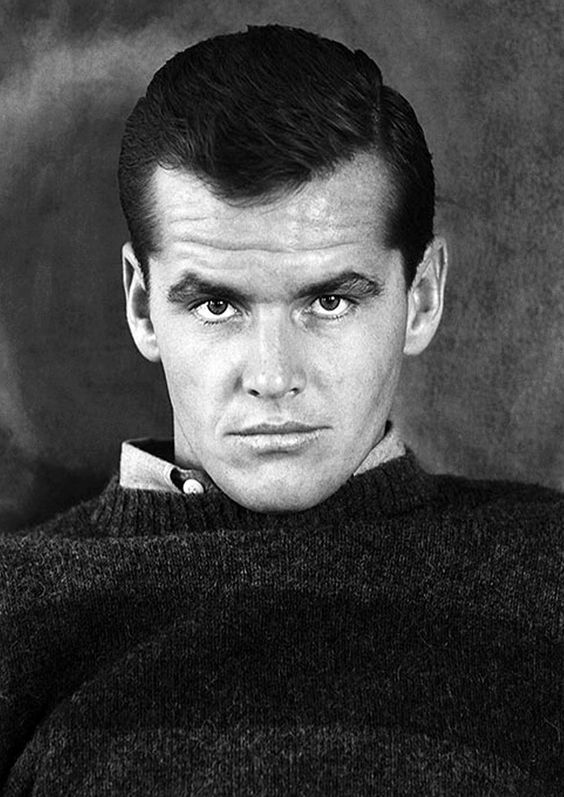
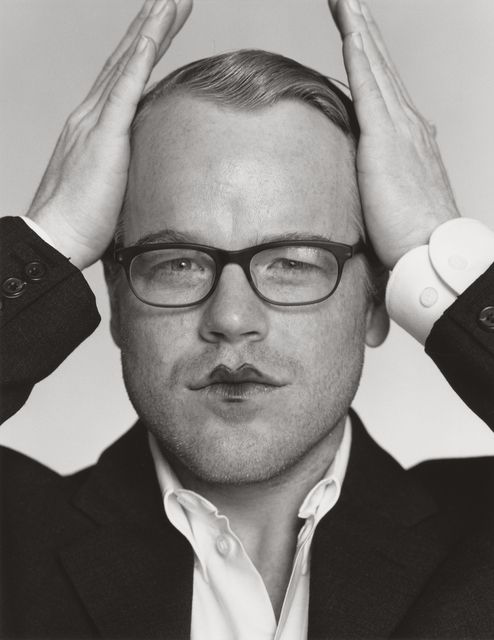
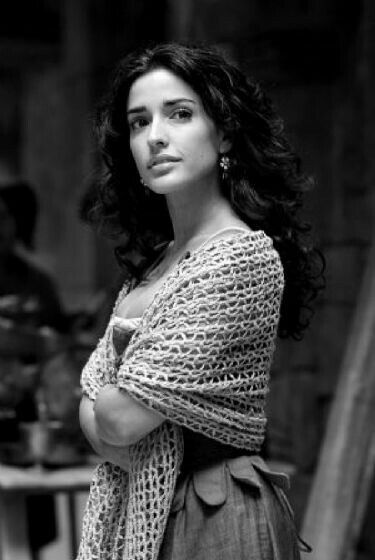
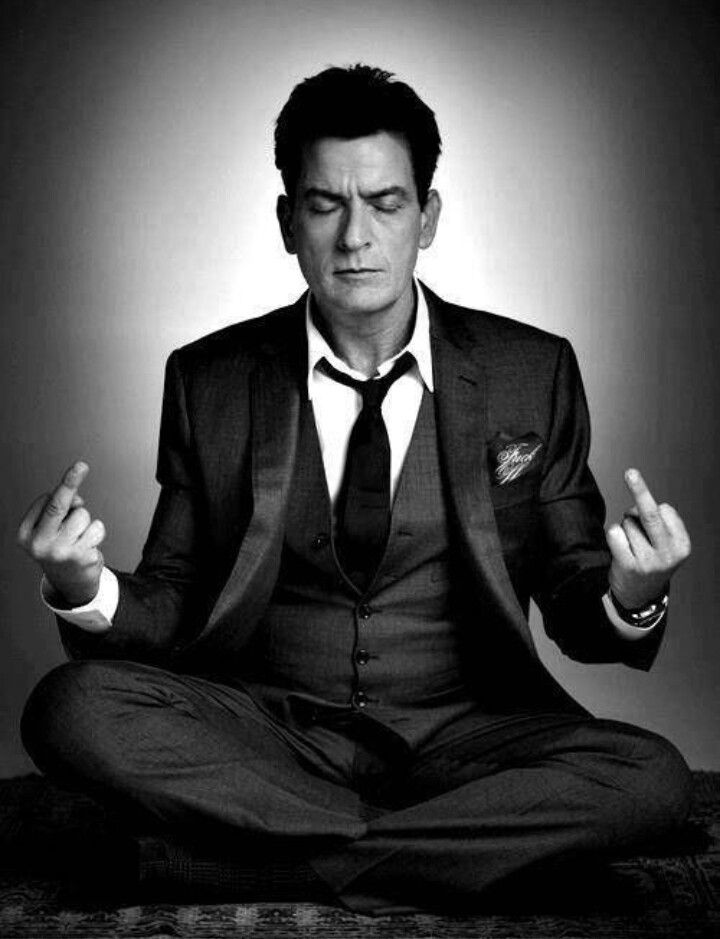
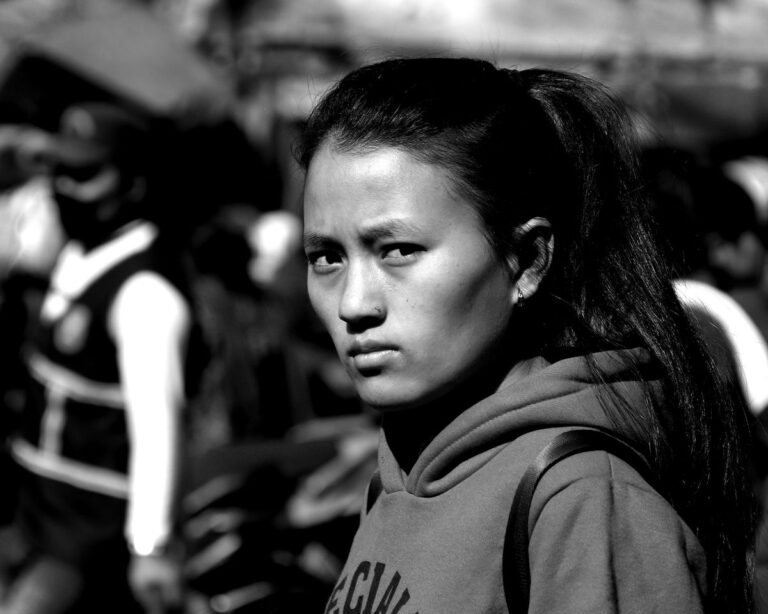
I walk through the intersections of Da Nang and I see it everywhere: the Blank Mask. It’s a specialized version of the Resting Bitch Face, a “resting biscuit” look that hangs heavy on the crowd like a humid morning. It isn’t just an expression; it’s a strategic defense mechanism.
I’ve seen this before in Manhattan. In New York, nobody makes eye contact because everyone is an object in motion, moving with a high-velocity intent that doesn’t have time for your existence. But even there, when you catch someone’s eye and force a smile, you watch them light up. You break a barrier. You witness a micro-second of human intimacy that feels like an incredible feat of engineering.
In Vietnam, the physics are different. Here, the lack of eye contact isn’t about efficiency; it’s about the cost of being noticed.
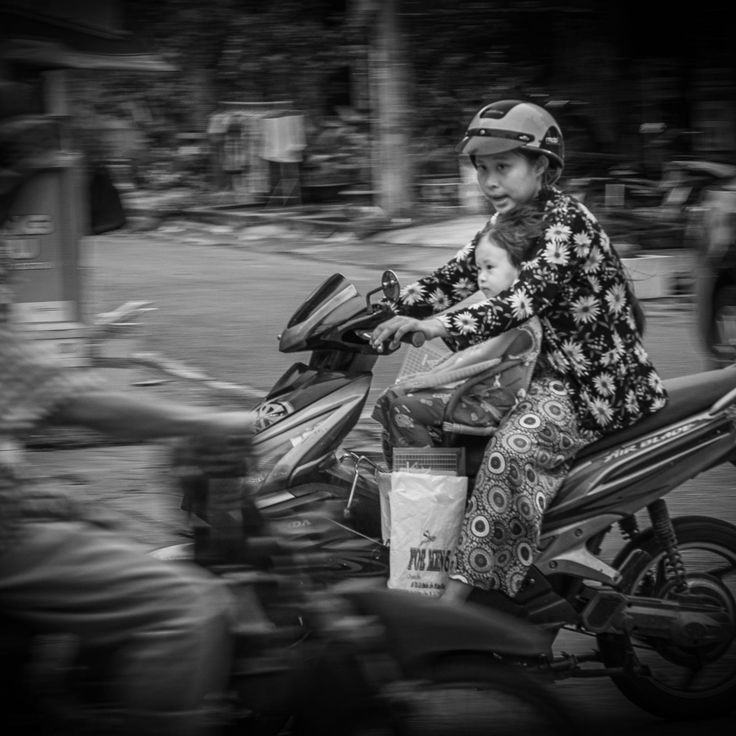
I study the women on the scooters. They zip through the chaotic flow with faces as neutral as concrete. It’s a tactical neutrality. In a society built on constant scrutiny—where the government, the family, and the neighbors are all part of a 360-degree monitoring system—a blank face is a shield. A smile is an invitation, a signal of interest, or a sign that you aren’t taking your “cultural duty” seriously enough. The RBF is the camouflage of the nail that refuses to be hammered down. It’s the face of the woman who knows that being found in a foreigner’s bedroom could mean legal scrutiny or social death.
I see it in the hotel lobbies when the clerk demands the ID and logs the passport into the system. They aren’t just checking a guest in; they are filing a report on a woman’s character to the authorities. They are seeking confirmation: Are you a professional? Are you married? Are you a sell-out? Under that kind of pressure, the soul retreats behind the mask. The RBF says to the world: “I am not enjoying this. I am just here.”
But then, there’s the Status Shift. I’ve been courtshipping a young lady who normally blends into the grey background of the city. When she wears the mask, she’s invisible. But the moment I make her laugh, the moment she smiles, the transformation is total. I make the joke that everyone thinks she’s Korean now, but it isn’t a joke. In this hierarchy, a smile indicates surplus. It indicates leisure and confidence. When she smiles, she stops looking like a “component” of the state and starts looking like a Primary. She stands out because a smile is the one thing the “Managed” class isn’t allowed to own.
The men carry a different weight. They don’t have the luxury of “finding themselves.” They live in a system where the big things are subsidized but the small things—the life—must be scrapped for. I see the men on the 110cc scooters, sleeping with their whole families in one bed, living under the constant pressure of stifled ambition. They aren’t rated by their salary, yet they are crushed by it. They don’t smile because there is nothing funny about a grind that never ends.
We look at this through a Western lens and call it a “Third World” culture, but that’s a simplification. What I’m actually seeing is a high-pressure social religion where everyone is playing by the rules while judging you from the corner of their eye. They are seeking validation by ensuring nobody else breaks the code.
The human condition is a masterclass in orchestrated suppression. They are attracted to a smile because it represents a freedom they’ve been told is dangerous. They walk around in sorrow because the world is heavy and the ID check is always waiting.
But I’m still the guy with the smile. I’m the one who refuses to wear the mask. And every time I catch a look and see that “light up,” I know I’ve just performed the only act of rebellion that actually matters in this town.