I was supposed to be in Mendoza right now. The master plan was always Argentina—spend two years drinking Malbec, secure a second passport, and build a quiet, bulletproof retirement away from the noise of the States. But when South and Central America started spiraling into an inflation-fueled mess, I pivoted. I decided to pack my bags and do a year in Asia instead.
I’ve done the Asian circuit before. I’ve rolled through Singapore, Thailand, and the usual hubs. Back in the day, I’d walk into those places feeling like a rock star. But Da Nang handed me a much different reflection. At 57, the mirror is brutally honest. The heavy muscle tone is gone, and so is the bulletproof armor of youth. This particular stretch of Vietnam has a direct flight from Australia, which means the expat scene is flooded with high-testosterone, twenty-something frat boys who could probably whip my ass without spilling their beer. It was a quick, quiet deflation of the ego. You realize you aren’t the biggest, the baddest, or the loudest guy in the room anymore.
And that’s fine. It forces you to actually look at the place you’re living in, rather than just the footprint you’re leaving.
Let me be perfectly clear: there is nothing inherently wrong with the Vietnamese people. In fact, their ability to look a Westerner in the eye with zero resentment over a war that tore this place apart is staggering. Even the seventy-year-old men on the street just smile and keep moving. But you cannot ignore the heavy luggage of a communist society. There is a deep, invisible social thread that keeps everyone firmly in line.
The moral police are real, and the grip is tight. If you bring a woman back to your room, her passport is logged at the front desk and fed straight to the police. If she’s married, you’re red-flagged and facing deportation. OnlyFans is illegal. Sleeping over as an unmarried foreigner with a local carries actual legal risk. People play their games and post their filtered photos on Instagram, but there is a ceiling to the freedom here, and you can feel it pressing down on the culture.
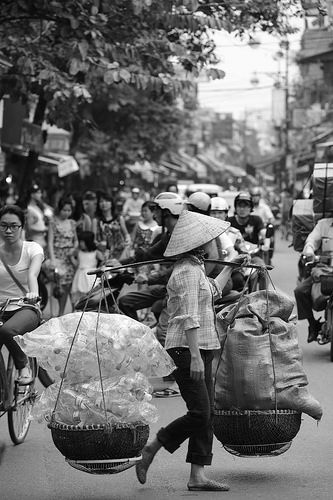
The infrastructure is another reality check. A lot of the foundation was laid by the French, and the modern technology just hasn’t caught up. It’s a crumbling colonial footprint patched over with jury-rigged new construction. The locals survive it because they have to. They have the stomach lining to eat street food for pennies that leaves me wrecked for days. They can navigate a scooter at fifty miles an hour in flip-flops through a chaotic swarm of traffic without checking their blind spots. It’s a beautifully controlled chaos, but it belongs exclusively to them.
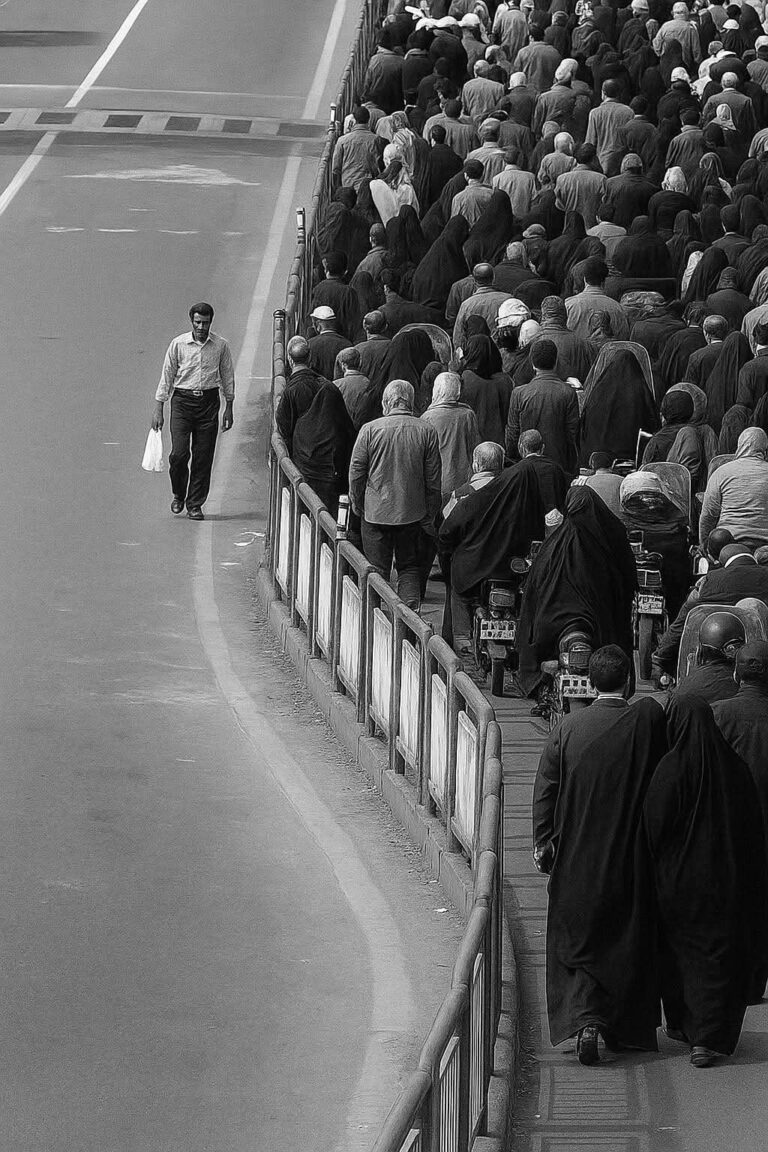
Because here is the hardest truth about Vietnam: you will never be one of them. You can learn the tonal language—which, with its sharp pitches, sounds entirely foreign and unmanly to my Western ear. You can learn to squat on a plastic stool, eat the local cuisine, and navigate the bureaucratic maze. But the culture is insulated. White men cannot replicate that collective survival instinct. You will always be an outsider.
And as an outsider, the government is making it abundantly clear that your presence is a short-term commodity. In the three months I’ve been here, they have changed the visa rules twice. The cheap rent everyone brags about is an illusion if you can’t get a long-term lease. Those $400 studios are now $700, and if you don’t have a direct view of the beach, you’re looking out your window at a neighborhood that strongly resembles the gritty outskirts of Tijuana. Signing a one-year lease here is like building a house on a fault line. You have zero staying power.
Then there’s the ocean. Coming from Hawaii, my standards for a beach are set in stone. The water here in Da Nang is lukewarm and murky—it feels like bathwater compared to the crisp, clear breaks of Oahu or even Ewa Beach. The sand isn’t soft; it’s industrial. The shoreline faces east, which means you get a nice blue sky in the evening, but you are entirely robbed of that sacred, soul-resetting moment where you sit with a glass of wine and watch the sun physically sink into the ocean. It feels like a cheaper, soulless version of Florida.
The dating scene operates on the exact same transactional frequency. It’s not man-versus-woman; it’s one group against another. The entire ecosystem is rigged on the racist, pragmatic assumption that a white face equals an open wallet. I see younger guys walking around alone, struggling against the exact same barrier. It’s a blunt, unromantic exchange, wrapped up in sun-shielding vampire dresses and a language barrier that ensures you never actually connect on a foundational level.
Has it been all bad? No. I’ve eaten at prime restaurants, though there isn’t a single meal or rooftop bar I’d race back to experience a second time. But the coffee shops? The coffee culture here is surreal. Sitting in a rustic, raw-material French building, listening to Zen music with bulletproof Wi-Fi—that is where Vietnam is undeniably winning the war.
But a good cup of coffee isn’t enough to build a life on.
I came here looking for a chapter, and Da Nang gave me a mirror. It showed me my age, my non-negotiables, and the stark reality of living in a country that doesn’t actually want you to stay. There is no anger in this realization. It’s just the cold, hard math of expat life.
It’s time to pack the bags, appreciate the lessons, and find a coastline that actually faces the sunset.